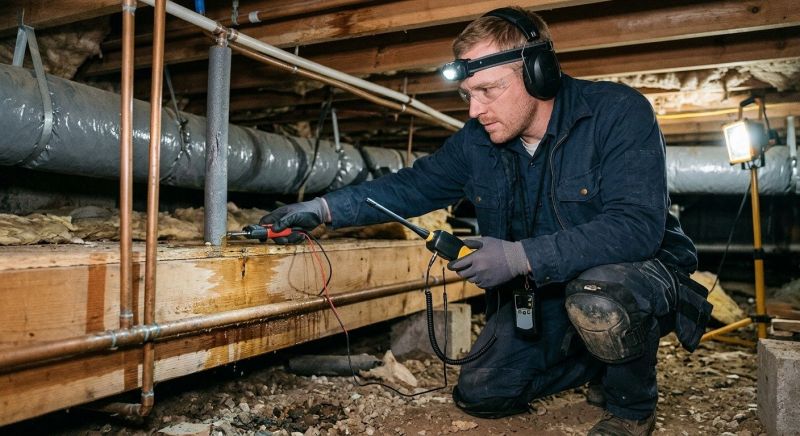
Pipe Leak Detection in Denver, CO
Pipe leak detection services involve identifying the precise location of leaks within a property's plumbing system. This process is useful for a variety of projects, including hidden leaks behind walls, under floors, or within underground pipes. Property owners often request leak detection when experiencing unexplained water bills, reduced water pressure, or visible signs of water damage such as mold, damp spots, or warped flooring. The goal is to accurately locate leaks without unnecessary disruption, enabling targeted repairs that prevent further damage and conserve water.
Before requesting pipe leak detection, property owners typically want to understand the scope of the service, including what areas can be inspected and the methods used to locate leaks. They may also seek clarity on how the process works, what signs indicate a leak, and how soon an issue might be addressed once the leak is found. Clear communication about these aspects helps ensure that the detection process is efficient and that repairs can be planned effectively to restore the property's plumbing system.
Many property owners in Denver, CO look into Pipe Leak Detection for repairs, replacements, upgrades, and appearance-related improvements.
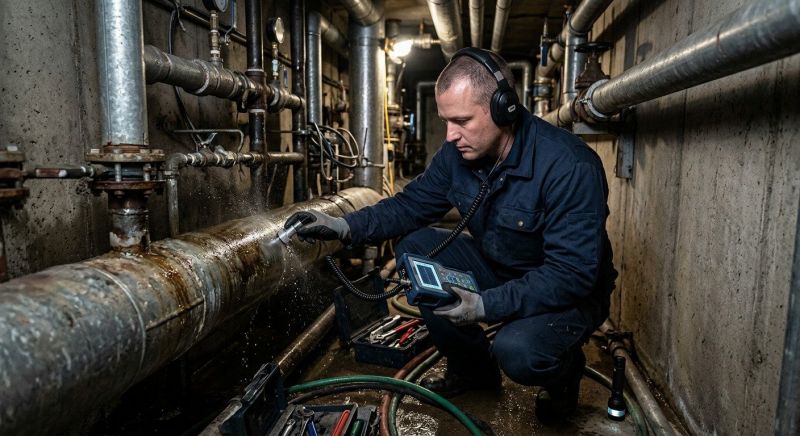
Identifying Hidden Leaks
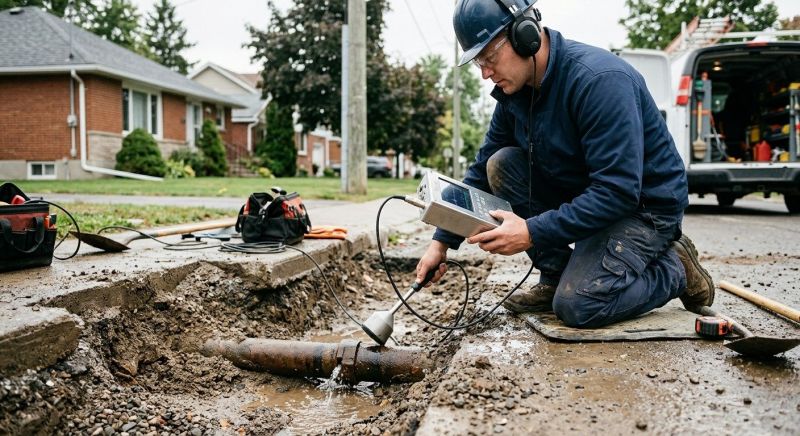
Advanced detection methods locate leaks that are not visible on the surface.
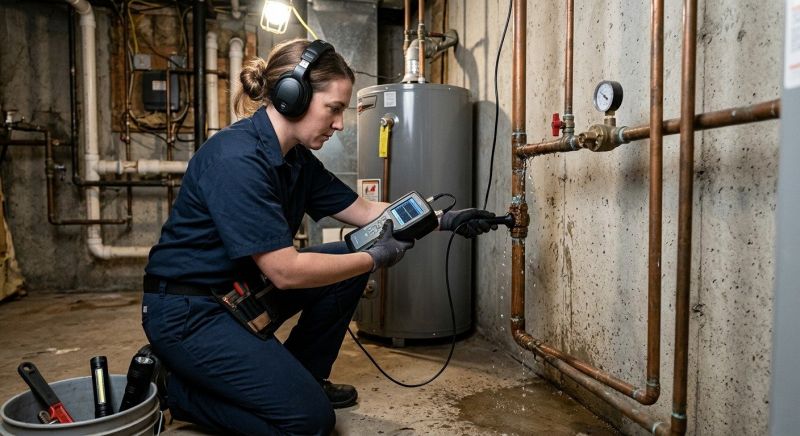
Preventing Water Damage
Early leak detection helps avoid costly repairs and property damage in denver homes.
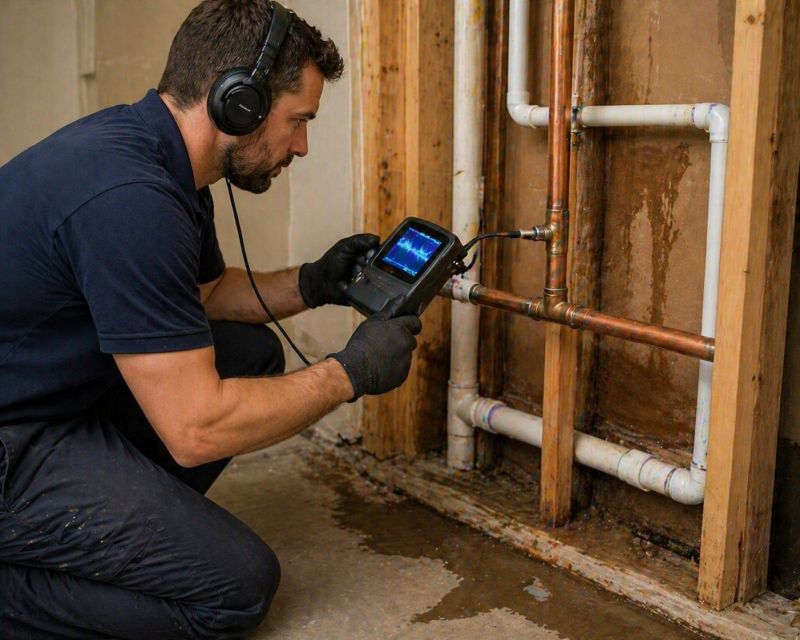
Efficient Leak Resolution
Accurate diagnosis ensures targeted repairs to restore plumbing integrity quickly and effectively.
Pipe Leak Detection in Denver, CO

Pipe leak detection services involve identifying the precise location of leaks within a property's plumbing system. This process is useful for a variety of projects, including hidden leaks behind walls, under floors, or within underground pipes. Property owners often request leak detection when experiencing unexplained water bills, reduced water pressure, or visible signs of water damage such as mold, damp spots, or warped flooring. The goal is to accurately locate leaks without unnecessary disruption, enabling targeted repairs that prevent further damage and conserve water.
Before requesting pipe leak detection, property owners typically want to understand the scope of the service, including what areas can be inspected and the methods used to locate leaks. They may also seek clarity on how the process works, what signs indicate a leak, and how soon an issue might be addressed once the leak is found. Clear communication about these aspects helps ensure that the detection process is efficient and that repairs can be planned effectively to restore the property's plumbing system.
Many property owners in Denver, CO look into Pipe Leak Detection for repairs, replacements, upgrades, and appearance-related improvements.
Common Pipe Leak Detection Jobs
Underground pipe inspection - detects hidden leaks in buried plumbing lines.
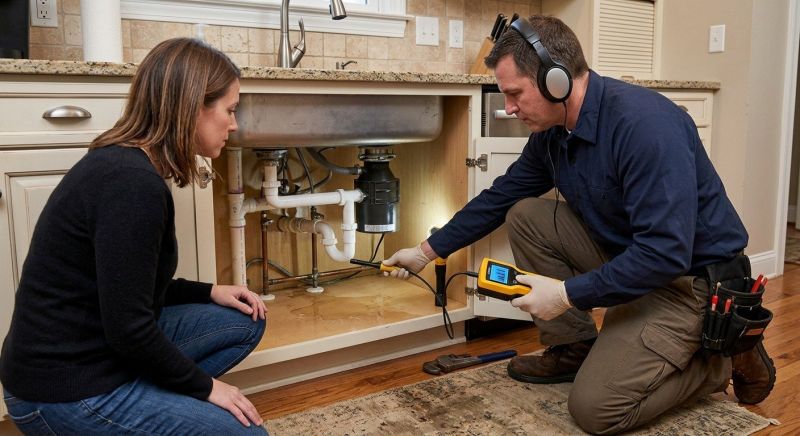
Indoor leak detection - identifies leaks within walls, floors, and ceilings.
Commercial pipe monitoring - helps prevent costly water damage in business properties.
Emergency leak locating - quickly finds leaks during urgent situations.
Slab leak detection - pinpoints leaks beneath concrete foundations.
Pipe integrity assessments - evaluates pipe condition to prevent future leaks.
Pipe Leak Detection Questions
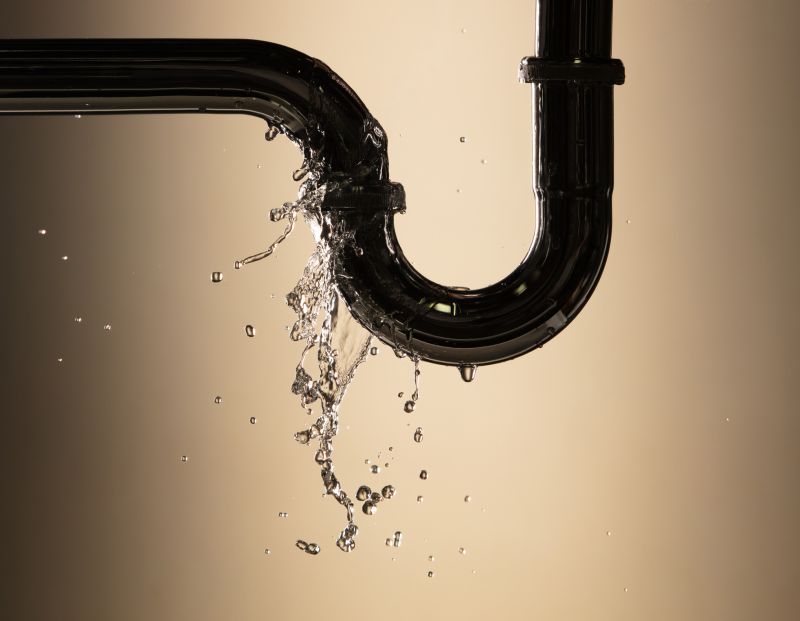
How can I tell if my pipes are leaking? Signs include unexplained increases in water bills, wet spots on floors or walls, and reduced water pressure.
What areas are typically checked during leak detection? Common areas include underground pipes, behind walls, under sinks, and in basements or crawl spaces.
Is pipe leak detection invasive? Some methods are non-invasive, using specialized equipment to locate leaks without damaging property surfaces.
Why should property owners consider professional leak detection? It helps identify leaks early, preventing water damage and reducing repair costs over time.
Request Pipe Leak Detection in Denver, CO
Use the quote form on this page to share the basics of your project and request more information for the type of work you need.